
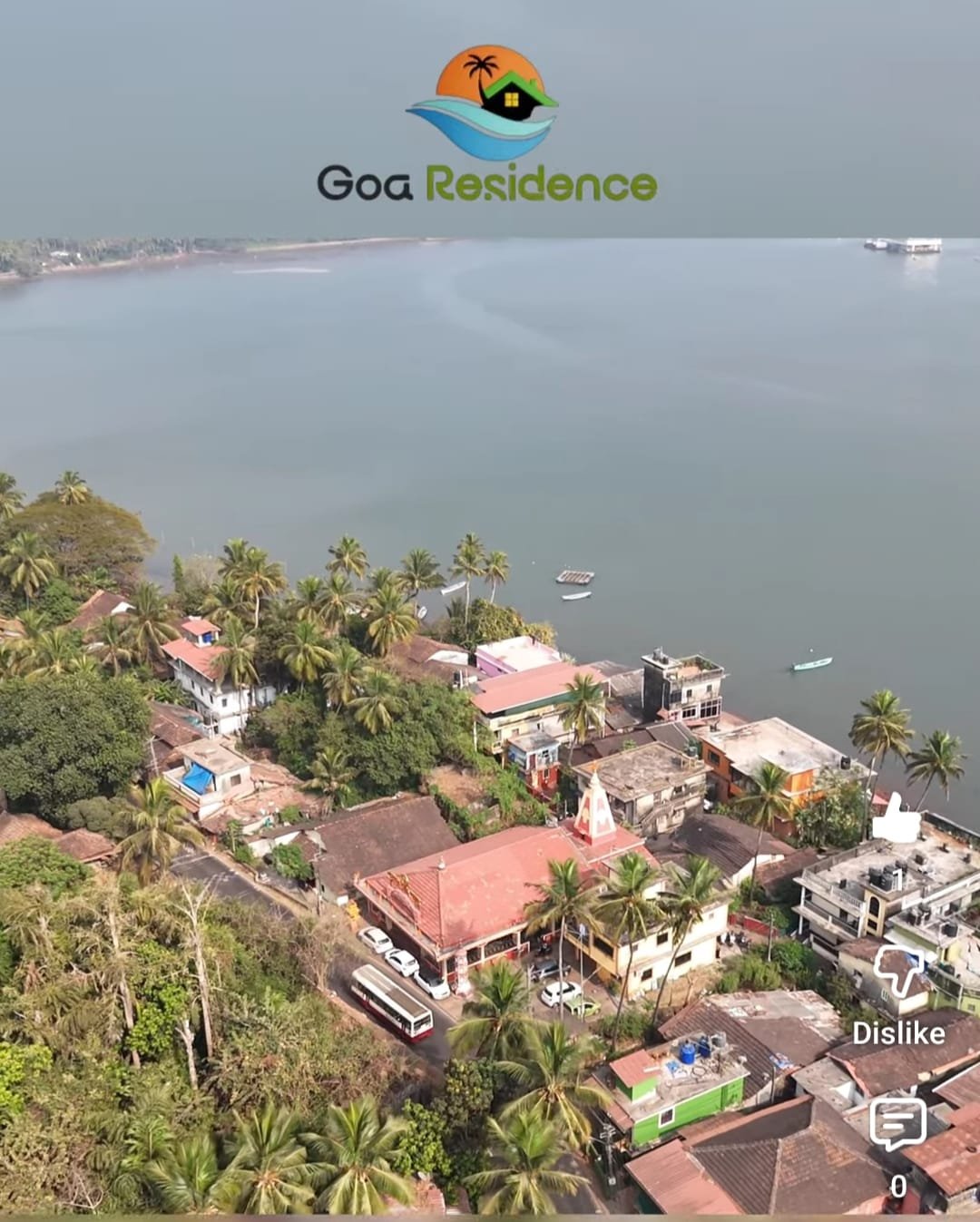
As an experienced property consultant in Goa with over 15 years helping clients (Indians, NRIs, and investors) navigate the real estate market, I’ve seen many dream of owning a beachfront property in Goa turn into reality — and others face costly pitfalls due to overlooking legal details. Buying beachfront or near-beach property (villas, plots, or houses with sea views/access) is rewarding but requires strict adherence to current laws, especially Coastal Regulation Zone (CRZ) rules under the CRZ Notification 2019 (still in force in 2026 with no major overhauls noted recently).
Here’s a practical, step-by-step guide on how to legally buy beachfront property in Goa in 2026 — based on real transactions and regulatory realities.
1. Understand What “Beachfront” Beach Front Property Really Means in Goa
True direct beachfront (touching the beach/sand) is almost impossible for private ownership. Beaches are public land owned by the government — no private beaches exist along India’s coastline. “Beachfront property” usually means:
- Properties with direct beach access or views.
- Located 0–500 meters from the High Tide Line (HTL) (the line where the sea reaches at highest tide during spring).
The entire coastal stretch up to 500m landward from HTL falls under CRZ, with strict restrictions. True zero-distance beach plots are rare and heavily regulated — most legal “beachfront” options are 50–200m+ inland or in approved developments.
2. Key CRZ Zones and Restrictions (Current in 2026)
CRZ classifies areas into zones with varying rules:
- CRZ-I — Ecologically sensitive (mangroves, corals, dunes, national parks): Virtually no new construction or development allowed.
- CRZ-II — Already developed urban areas (e.g., parts of Calangute, Baga, Candolim): Reconstruction/repairs allowed; new builds possible with existing FSI norms (de-frozen post-2019). Public beach access must remain open.
- CRZ-III (Rural/coastal villages) — Split into:
- CRZ-III A (Densely populated rural >2,161 people/km² per 2011 Census): No Development Zone (NDZ) of 50m from HTL — limited construction beyond that (e.g., homes, repairs).
- CRZ-III B (Less dense): NDZ of 200m from HTL — stricter; very limited new builds.
- CRZ-IV — Intertidal area (between Low Tide Line and HTL): Only traditional activities like fishing.
Key takeaway: In many Goa areas (e.g., North Goa villages like Anjuna, Morjim), NDZ is 50–200m. New construction is banned in NDZ; existing structures can be repaired/rebuilt (with limits). Always check the latest approved Coastal Zone Management Plan (CZMP) for your plot via Goa CZMA or TCP Department — maps show exact HTL, zones, and NDZ.
3. Who Can Buy Property in Goa?
- Indian citizens (including non-Goans from Pune/Maharashtra or elsewhere): Yes, freely buy residential/commercial plots, villas, apartments. No major restrictions for non-agricultural land.
- NRIs/OCIs: Can buy residential/commercial properties (including beach villas). Cannot buy agricultural/plantation land.
- Foreign nationals: Cannot buy directly (only long lease possible, up to 5 years; company route needs RBI approval).
No blanket ban on “outsiders” for non-agri land — myths persist, but it’s fully legal.
4. Step-by-Step Legal Buying Process
- Research & Shortlist Properties — Focus on RERA-registered projects or resale with clear titles. Avoid unapproved “beach plots” in NDZ.
- Verify CRZ Status — Get HTL/CRZ map from authorized agency (e.g., NCSCM or Goa CZMA). Confirm zone, NDZ distance, and if property has CRZ clearance certificate.
- Title & Document Due Diligence (Most Critical Step)
- 30+ year title chain.
- Encumbrance Certificate (no liens).
- Form I & XIV (Goa’s land records showing ownership/occupancy).
- Conversion (if orchard/agri to settlement/NA).
- No disputes/tenancy claims (Goa Tenancy Act).
- RERA registration (for new projects).
- CRZ compliance certificate. Hire a local Goa lawyer (₹15,000–30,000 for full search) — never skip this!
- Get Permissions/Clearances
- For construction/renovation: TCP (Town & Country Planning) approval, panchayat/municipality building permit.
- If in CRZ: CRZ clearance from Goa CZMA/MoEFCC (for sensitive cases).
- Environmental clearance if needed.
- Sale Agreement & Registration
- Pay stamp duty (around 7–8% in Goa) + registration fees.
- Execute sale deed at Sub-Registrar office.
- Post-Purchase — If building, get all approvals first. Violations lead to demolitions (seen in Anjuna, Colva cases).
5. Pro Tips from My Experience
- Popular safe areas: Candolim, Siolim, Assagao (North); Cavelossim, Benaulim (South) — many compliant luxury villas.
- Prices: Beach-view villas ₹2–10+ crore; plots ₹50 lakh–5 crore+ depending on proximity.
- Avoid: Undeveloped plots claiming “beachfront” without CRZ docs — high risk of demolition.
- Work with trusted consultants/developers (RERA-approved) for hassle-free deals.
- Current trend (2026): Scarcity of legal beachfront drives premiums; focus on compliant, existing structures for best ROI.
Buying beachfront in Goa legally is very doable — and incredibly rewarding — if you prioritize due diligence over haste. Many of my clients now enjoy their dream coastal homes without issues.